400-0559-095
 Navigate400-0559-095Navigate
From June 1–5, DEEP Robotics participated in the IEEE International Conference on Robotics and Automation (ICRA 2026) in Vienna, Austria. As one of the world’s premier robotics conferences, ICRA 2026 brought together more than 8,000 researchers, engineers, and industry professionals from 86 countries and regions, setting a new attendance record for the event.
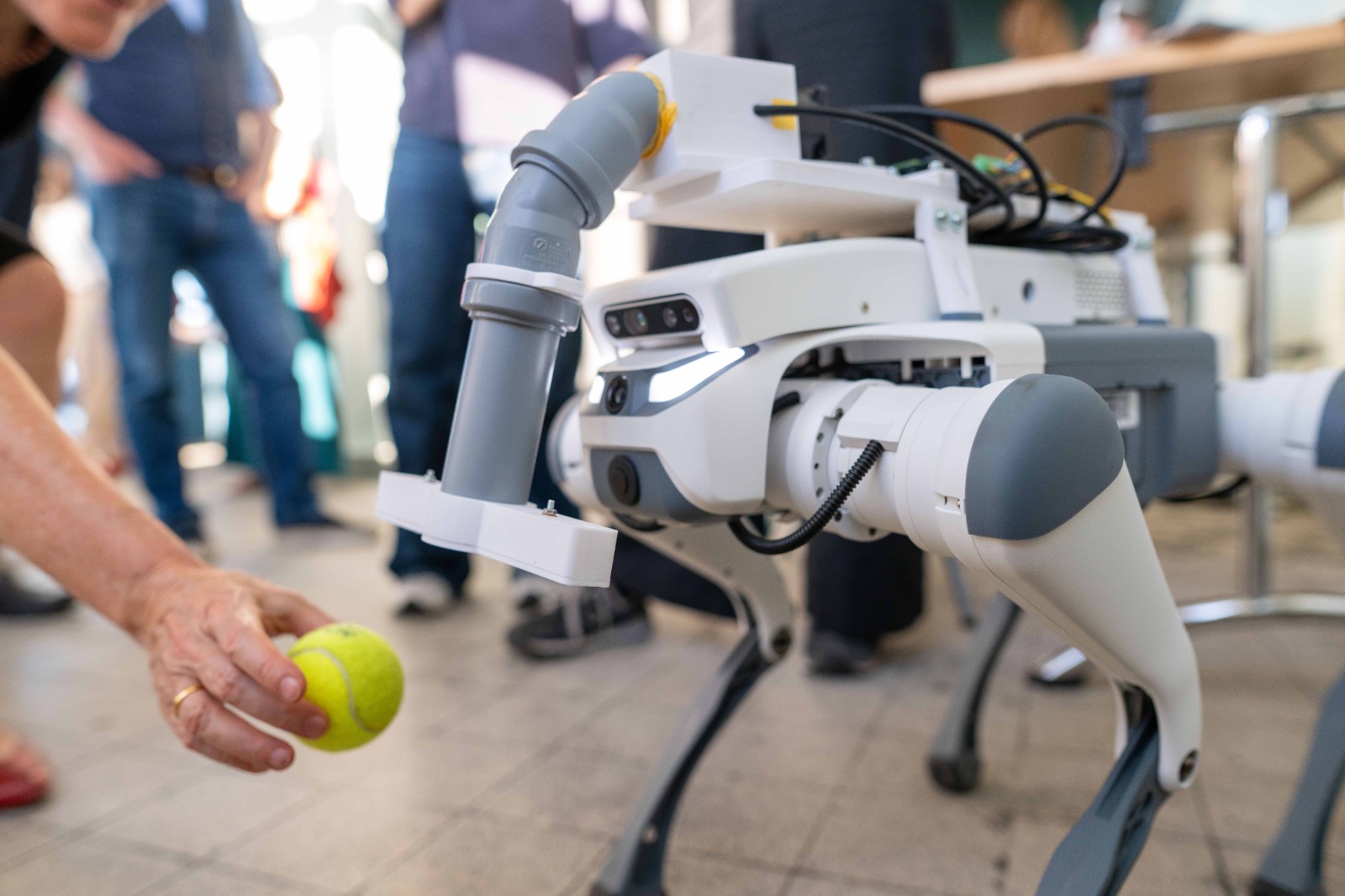
At the conference, DEEP Robotics showcased two flagship platforms: the Lynx M20S wheel-legged robot and the Lite3 quadruped robot. Together, they demonstrated how robotics platforms can support the full research lifecycle—from algorithm development and simulation validation in the lab to deployment in real-world environments.
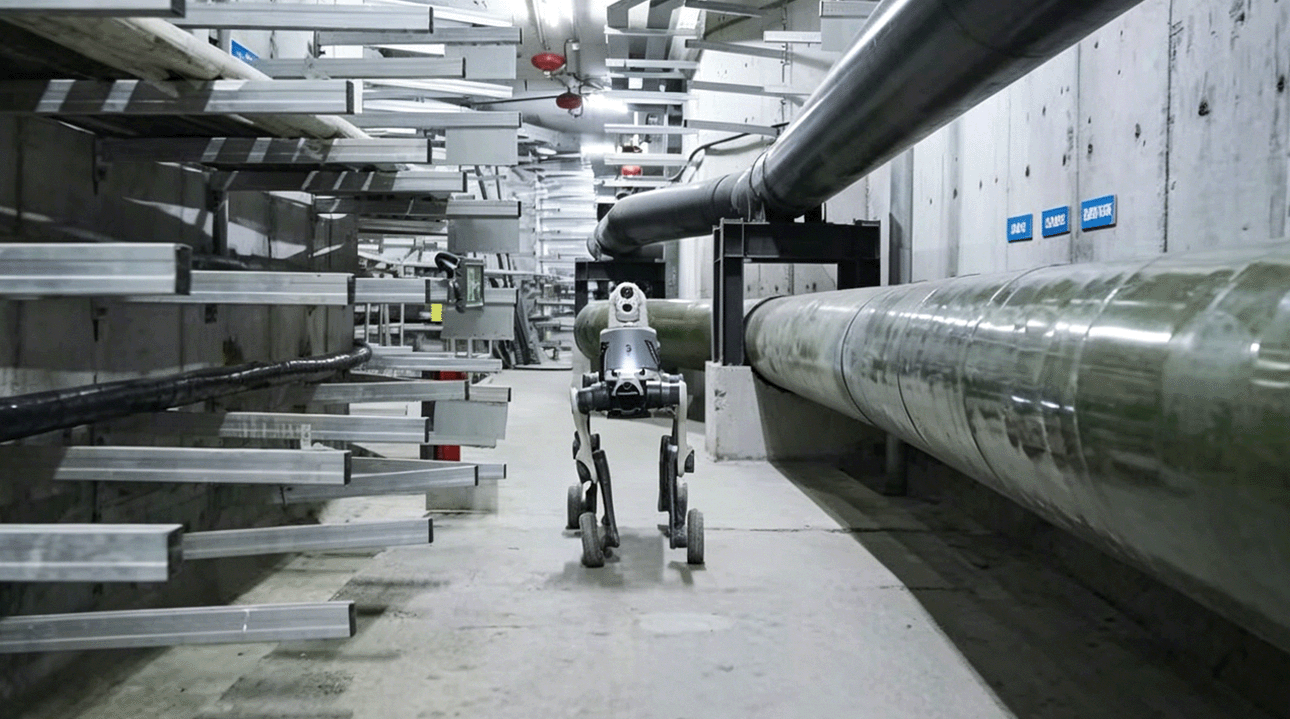
The Lynx M20S highlighted its ability to operate in challenging outdoor terrain, making it well-suited for field research, inspection, and data collection tasks. Meanwhile, Lite3 attracted significant interest from researchers working in reinforcement learning, autonomous navigation, embodied AI, and robot control, serving as a practical platform for both education and advanced robotics research.
Bringing Robotics Research Closer to Practice
A key feature of the DEEP Robotics booth was its interactive hands-on experience area, where visitors could directly operate and test quadruped robots. Guided by the engineering team, attendees explored robot control, mobility, and development workflows firsthand.
For many researchers encountering the platform for the first time, the experience demonstrated how accessible modern robotics systems can be. The combination of intuitive operation, open development tools, and ready-to-use hardware sparked discussions about how such platforms could accelerate research and teaching activities.
In addition, DEEP Robotics recreated real-world research scenarios at the booth, showcasing obstacle traversal, autonomous navigation, path planning, and task execution in dynamic environments. These demonstrations provided a practical illustration of how robotics algorithms can move beyond simulation and perform reliably in physical settings.

Growing Interest from Universities and Research Institutions
Throughout the event, universities and research organizations across Europe expressed strong interest in leveraging quadruped robots as open development platforms for robotics and AI research.
Discussions focused on a broad range of topics, including reinforcement learning, autonomous navigation, multi-sensor perception, embodied intelligence, and robot control systems. Several academic institutions also explored opportunities to integrate robotic platforms into engineering, robotics, and artificial intelligence curricula, providing students with hands-on experience that bridges theory and real-world applications.
Interest also emerged around simulation and digital twin technologies. Researchers discussed how platforms such as Gazebo and NVIDIA Isaac Sim could be combined with physical robots to support algorithm validation, sim-to-real transfer, and hybrid virtual-physical experimentation.
Beyond research laboratories, some institutions are evaluating the potential of robotics applications within smart campus environments, including campus security, facility inspection, and autonomous guidance services.

Building Long-Term Academic Partnerships in Europe
ICRA 2026 marked an important step in DEEP Robotics’ engagement with the European research and education community.
Following the conference, the company initiated discussions with multiple universities and research laboratories regarding joint research projects and pilot programs. These collaborations aim to explore how robotics technologies developed in academic settings can be translated into practical applications across industries.
Through these partnerships, DEEP Robotics is also developing repeatable collaboration frameworks that support education, research, and technology transfer. The goal is to create scalable models that can be adapted across universities, laboratories, and innovation ecosystems worldwide.
Advancing Open Robotics for Research and Education
Participation in ICRA 2026 reinforced DEEP Robotics’ commitment to supporting the global robotics research community through accessible and scalable robotics platforms.
Looking ahead, the company will continue to expand its open robotics ecosystem, enabling researchers, educators, and students to build, test, and deploy advanced robotics applications more efficiently. At the same time, insights gained from academic collaborations will continue to contribute to real-world deployments across industrial inspection, public safety, emergency response, and other operational environments.
As robotics and embodied AI continue to evolve, DEEP Robotics remains committed to bridging the gap between research and real-world impact, fostering collaboration between academia and industry, and helping accelerate the next generation of robotics innovation.



©2017-2026 杭州云深处科技有限公司
浙ICP备18014177号-1
 浙公网安备:33010602009611